Waking up stiff, puffy, or just off is not fun, especially when fall air turns cool and dry. Small daily choices add up, and one of the simplest tools we can use is a warm mug of tea that helps calm inflammation instead of adding to it.
Many of us deal with low-level inflammation from stress, processed food, lack of sleep, and seasonal shifts. It can show up as sore joints, a touchy stomach, tired skin, or that heavy brain-fog feeling. In this article, we will talk about how anti-inflammatory tea fits into a daily wellness routine, why it matters, and simple ways to make it a comforting habit. At Island Wellness Tea, we focus on organic, functional loose-leaf and powdered blends that support digestion, heart health, detox, energy, and overall balance, so we care a lot about how you build routines that feel kind and realistic.
Sip Away Swelling: How Tea Supports Daily Comfort
As fall rolls in, many people notice more stiffness in the morning and a little extra puffiness around the eyes or fingers. Colder nights, richer comfort foods, and busy schedules can all nudge the body toward more irritation.
Everyday inflammation can be stirred up by things like:
- Stress that never really lets up
- Processed snacks and sugary drinks
- Poor sleep or irregular sleep patterns
- Seasonal changes and indoor heating
Anti-inflammatory tea is not a magic cure or a quick fix. It is a gentle tool that gives your body a little support, cup by cup. When we make tea part of a daily ritual, we give ourselves a pause to breathe, sip slowly, and choose something that works with the body instead of against it.
Understanding Inflammation and Your Body's Signals
Inflammation itself is not the enemy. When we get a cut or a sprain, the body sends out an inflammatory response to protect and repair. That is acute inflammation, and it is short-term and helpful.
The problem is chronic, low-grade inflammation that quietly lingers. It can build up over time and leave us feeling off without any clear reason. Common triggers include:
- Regular intake of fried or highly processed foods
- Too much sugar or alcohol
- Not enough sleep or deep rest
- Ongoing stress, with no real downtime
- Environmental irritants and sitting for long periods
The signs are often subtle. You might notice:
- Bloating or gas after meals
- Brain fog or trouble focusing
- Joint stiffness when you get up from a chair
- Skin redness or flare-ups
- General fatigue or afternoon crashes
As outdoor air cools and indoor air gets dry, some people notice these symptoms more. Paying attention to these body signals is the first step. Then we can choose habits, like anti-inflammatory tea, that gently support our natural balance.
What Makes a Tea Anti-Inflammatory
Not every herbal tea is truly anti-inflammatory. When we say anti-inflammatory tea, we mean blends that feature botanicals known to help the body manage its own inflammatory response.
Some key plants often used for this purpose include:
- Turmeric, known for curcumin, a bright yellow compound found in the root
- Ginger, with gingerols that give it a spicy kick and warming feel
- Green tea, which contains catechins that support circulation and focus
- Hibiscus, rooibos, and berries, rich in plant polyphenols
The quality of the ingredients matters a lot. Organic leaves and herbs, clean sourcing, and minimal additives keep your cup as pure as possible. At Island Wellness Tea, we build blends around functional botanicals for digestion, energy, heart health, detox, and overall wellness, and we keep our ingredient lists simple and intentional.
Anti-Inflammatory Tea in a Morning Energy Ritual
Mornings set the tone for the whole day. On dark, chilly fall mornings, many of us turn straight to coffee. That can be fine, but adding or swapping in anti-inflammatory tea can give you energy that feels smoother and more grounded.
A warm mug first thing can help:
- Wake up digestion in a gentle way
- Support circulation as your body warms up
- Offer steadier energy without heavy jitters
Some easy shifts might be:
- Keeping your first cup of coffee, then swapping the second for turmeric-ginger tea
- Choosing a green tea blend that supports focus without a hard crash
- Drinking your tea while you do a short stretching routine or simple breathing practice
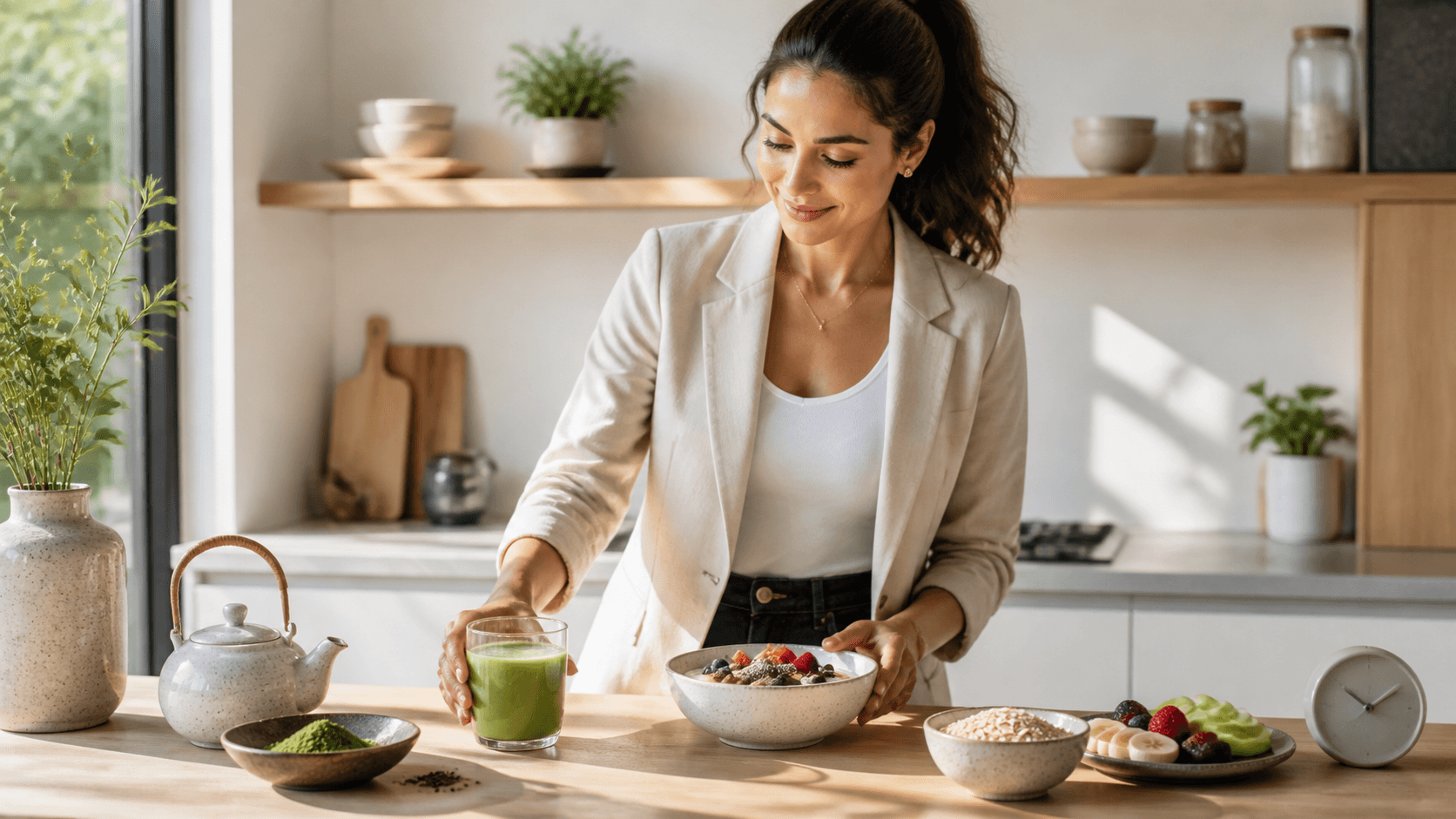
Pair your morning tea with a nourishing breakfast, like oatmeal with fruit or eggs and greens. Linking your tea to movement, breath, and real food turns it from a random drink into a wellness anchor you actually look forward to.
Evenings of Calm Tea for Relaxation and Recovery
By the time evening hits, our bodies have carried us through stress, screens, and plenty of sitting. This is when inflammation from the day can show up as tight shoulders, a tight belly, or restless feelings.
An evening cup of anti-inflammatory tea can support:
- Soothing digestion after dinner
- A calmer nervous system before bed
- Gentle overnight repair and recovery
For nighttime, caffeine-free blends work best. Many people enjoy:
- Rooibos blends that feel rich and smooth
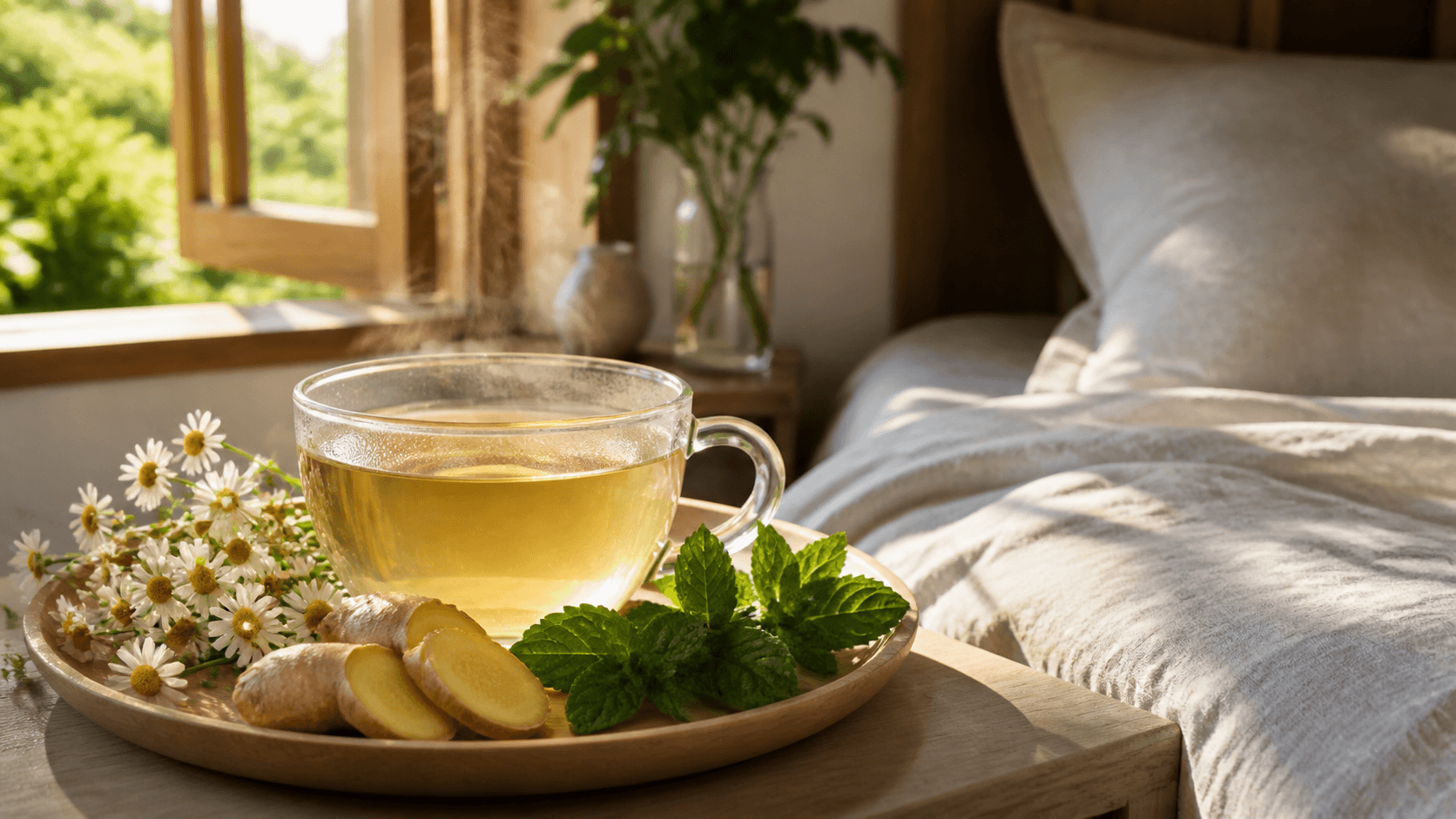
- Chamomile with ginger for calm and warmth
- Cinnamon-spiced herbal teas that feel cozy when temperatures drop
Swapping a sugary late-night snack or an alcoholic drink for a warm mug can reduce bloating and help signal to the body that it is time to slow down. The simple act of holding a hot cup, breathing in the steam, and taking unhurried sips is a quiet ritual that supports rest.
Simple Ways to Make Tea a Habit, Not a Chore
The hardest part is not making tea; it is remembering to make it and actually sitting down to enjoy it. Small systems help tea become part of your day instead of something you keep meaning to do.
Try a few of these ideas:
- Set "tea times" on your phone, like 10 a.m. and 8 p.m.
- Create a small tea station on your counter so it is always in sight
- Prep loose-leaf infusions in a simple strainer bottle for busy days
- Keep powdered blends ready to whisk into hot water
Autumn is a perfect season for gentle rituals, such as:
- A post-walk tea break after a cool afternoon stroll
- A weekend "tea and journaling" moment with a blanket and soft light
- A family wind-down tea after dinner, where screens go off for a few minutes
Consistency comes easier when tea is portable and flexible. An insulated tumbler lets you bring anti-inflammatory tea to work or school. Keeping different blends on hand for digestion, heart health, detox, or energy makes it easy to choose what fits your mood and needs that day.
Start Your Anti-Inflammatory Tea Ritual Today
You do not have to rebuild your whole routine at once. Choose just one daily moment, morning, afternoon, or evening, to enjoy anti-inflammatory tea for the next few weeks. Pay attention to small shifts, like easier digestion after meals, less puffiness when you wake up, or a calmer mood before bed.
At Island Wellness Tea, we craft organic, functional loose-leaf and powdered blends with purpose, focusing on digestion, energy, heart health, detox, and overall balance. As the air cools and fall settles in, a simple tea ritual can become a gentle, steady way to support your body, one comforting cup at a time.
Support Your Body With Soothing, Targeted Tea Benefits
If you are ready to calm discomfort from within, explore our curated selection of anti-inflammatory tea blends crafted to support everyday wellness. At Island Wellness Tea, we carefully choose each ingredient so you can feel confident about what you sip. If you have questions about which blend fits your goals, you can contact us for personalized guidance.