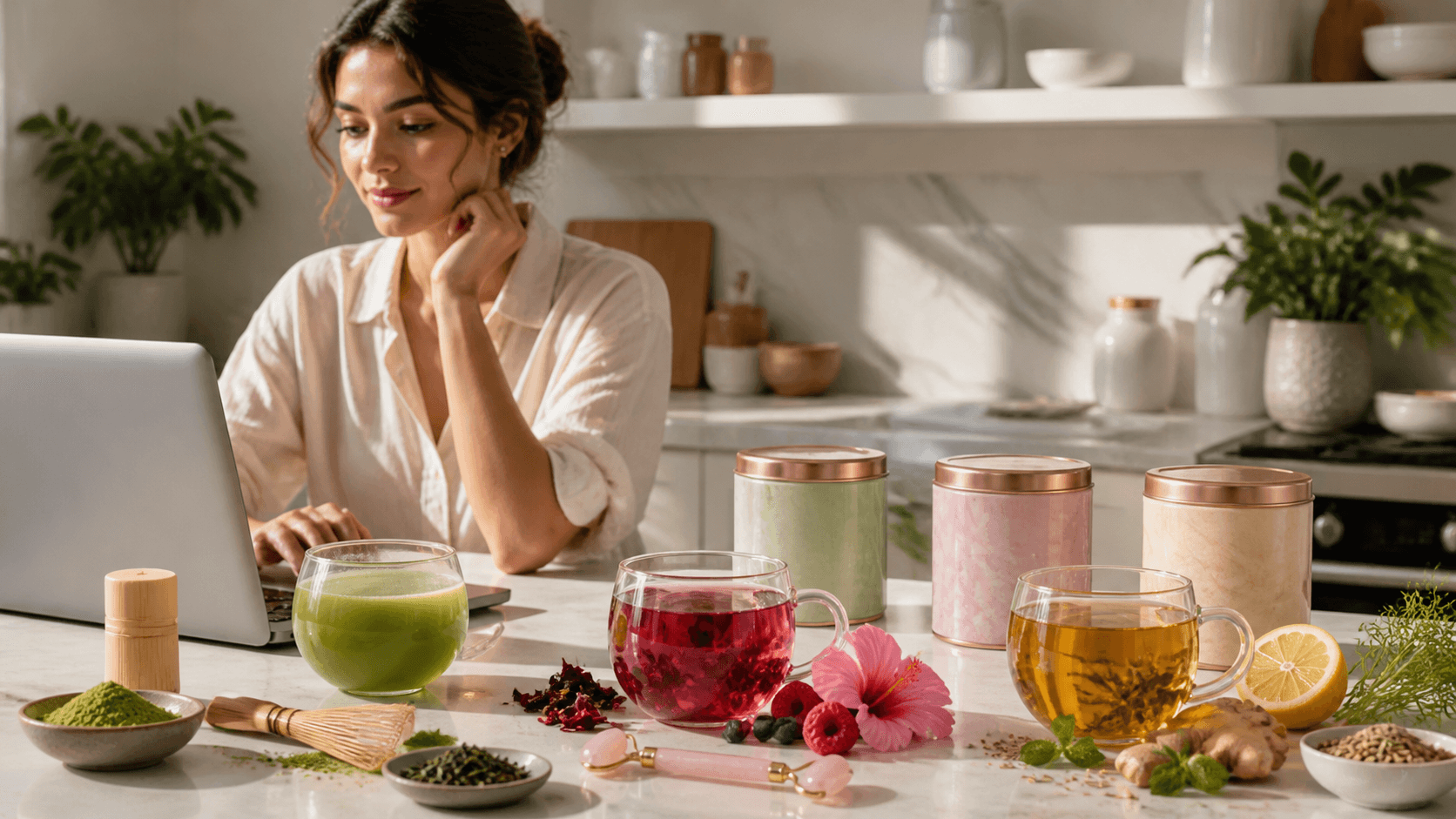
Reset Your Evenings with Tea That Supports Body and Mind
Evening tea can do more than just taste good. The right herbs, at the right time, can help your stomach feel lighter after dinner and guide your mind toward deep, restful sleep. When nights start getting cooler and darker earlier, that support can make a big difference.
Many people feel heavy, bloated, or wired after dinner, then lie awake feeling uncomfortable. One simple shift is to think of evening tea for sleep as a two-step ritual. First, we support digestion. Later, we calm the nervous system. By sequencing herbs this way, we respect how the body actually works.
At Island Wellness Tea, we focus on organic, functional loose-leaf blends and matcha that are crafted for different goals, like energy, digestion, detox support, heart health, and overall wellness. In this guide, we will walk through how to time your cups, how to pair or separate herbs, and what to skip if reflux or late-night bathroom trips are an issue.
Why Your Post-Dinner Tea Order Matters
Digestion and sleep ask the body to do almost opposite things. Digestive herbs often warm, wake up, and move things along. Sedative herbs cool things down, quiet the mind, and ask the body to rest.
A digestive-focused tea is usually aimed at helping your body break down food and move it along comfortably. These blends often include herbs that can:
- Support gastric juices
- Relieve gas and bloating
- Warm the stomach area
- Help food pass through more smoothly
Sedative blends are built to help the brain and nervous system slow down. They often:
- Ease mental chatter
- Gently relax muscles
- Support a sense of safety and calm
- Prepare the body for deeper sleep
If we drink strong sedative herbs right after a heavy meal, we may be telling the body to rest when it still needs to digest. On the other hand, if we drink only stimulating herbs right before bed, we might feel too activated to fall asleep easily.
A better rhythm is: warming, gently stimulating, carminative herbs earlier in the evening, then calming, sleep-supporting herbs as bedtime gets closer. This sequencing respects both your gut and your sleep.
First Cup: Digestive Teas That Support a Calm Belly
Your first evening cup works best about 20 to 30 minutes after dinner. By then, your body has started the digestive process, and a warm drink can feel especially soothing on a cool early fall night. This timing gives herbs a chance to support digestion without watering down stomach juices too much.
Helpful digestive herbs often include:
- Ginger, warming and supportive when you feel heavy or bloated
- Fennel, gentle and often used for gas and that too-full feeling
- Peppermint or spearmint, classic choices for after-meal comfort
- Lemongrass, light and bright, nice when meals feel rich
- Citrus peels, which can support digestion in a gentle way
If you notice reflux, be a little cautious with strong mint blends. For some people, high menthol can relax the valve at the top of the stomach, which may make reflux worse when lying down. In that case, leaning on fennel, ginger, lemongrass, and softer herbs can be a better fit.
A digestive-focused blend can act as the first step in your evening tea for sleep routine. One comfortable mug after dinner can:
- Take the edge off bloating or gas
- Help you feel less heavy as the night goes on
- Make it easier to lie down later without discomfort
With the belly more settled, the second cup, the sleep cup, can actually do its job.
Second Cup: Sedative Herbs for Deep, Restful Sleep
Your second cup, the calming one, usually fits best about 60 to 90 minutes before bed. By then, the digestive tea has had time to work, and your stomach is not quite as full. The goal now is to quiet, not to activate.
Top sleep and nervous-system-supportive herbs often include:
- Chamomile, gentle, familiar, and helpful for overall relaxation
- Passionflower, often used for a busy, looping mind
- Lemon balm, bright yet calming, supportive when stress feels high
- Valerian or California poppy, stronger herbs that many people use for deeper sleep support
- Lavender, lovely for easing tension and setting a peaceful mood
As fall schedules pick up, stress can rise, and our minds can feel a bit louder at night. During those seasons, you might choose a slightly stronger calming blend, or simply let your tea steep a bit longer for a deeper effect.
To help your second cup work even better, pair it with a simple wind-down routine, such as:
- Dim lights and softer sounds
- Screens off or at least away from your face
- Light stretching or a gentle walk around the room
- A few slow breaths between sips
Over time, your body starts to link the taste and smell of your evening tea with the feeling of getting ready to sleep.
What to Avoid If You Have Reflux or Nighttime Bathroom Trips
Some teas are better earlier in the day, especially if reflux or middle-of-the-night bathroom visits are a problem.
If you are prone to reflux, you may want to be careful with:
- Very mint-heavy blends, because of the higher menthol
- Spicy blends that feel hot all the way down
- Strongly caffeinated teas like black tea or mate in the evening
- Citrus-heavy blends taken right before lying down
For bathroom trips, think about both caffeine and natural diuretics. Herbs and ingredients that you might want to move earlier in the day include:
- Hibiscus
- Dandelion leaf
- Nettle
- Higher-caffeine green or oolong teas
Safer guidelines for many people are:
- Choose low-acid, non-caffeinated blends after dinner
- Make your last full mug about 60 to 90 minutes before bed
- If you get reflux easily, lean on gentler carminatives like fennel and possibly marshmallow root instead of strong mint at night
- Use a smaller cup for your last tea if nighttime bathroom trips are common
These simple shifts can help your evening tea support sleep instead of interrupting it.
Build Your Perfect Evening Tea Ritual This Fall
A simple template can carry you through cozy fall evenings:
- After dinner, one cup of a digestive-support blend
- Later, one cup of a calming, sleep-supporting blend
- Adjust mug size or water volume if you are sensitive to nighttime bathroom trips
From there, make it your own. If you usually feel heavy or bloated at night, keep your digestive blend strong and your sleep blend a bit lighter. If your mind spins but your belly feels fine, go softer on the digestive herbs and let the sedative blend be the star.
For people who are very sensitive, milder herbs with shorter steep times may feel best. Notice how you sleep, how your stomach feels, and how your mood shifts, then tweak your routine a little at a time.
At Island Wellness Tea, we care about thoughtful, organic, functional blends that support energy, digestion, detox support, heart health, and whole-body wellness. Building a two-step evening ritual for sleep as the days grow shorter can give you a steady anchor, a moment of calm, and a kind way to care for both your gut and your nervous system each night.
Relax Into Deeper Sleep With a Calming Evening Ritual
If you are ready to create a soothing nighttime routine that helps your body and mind unwind, explore our curated evening tea for sleep blends crafted to support more restful nights. At Island Wellness Tea, we thoughtfully choose ingredients that promote relaxation so you can drift off more easily. Browse our selection to find the flavor and benefits that fit your routine, or contact us with any questions about getting started.