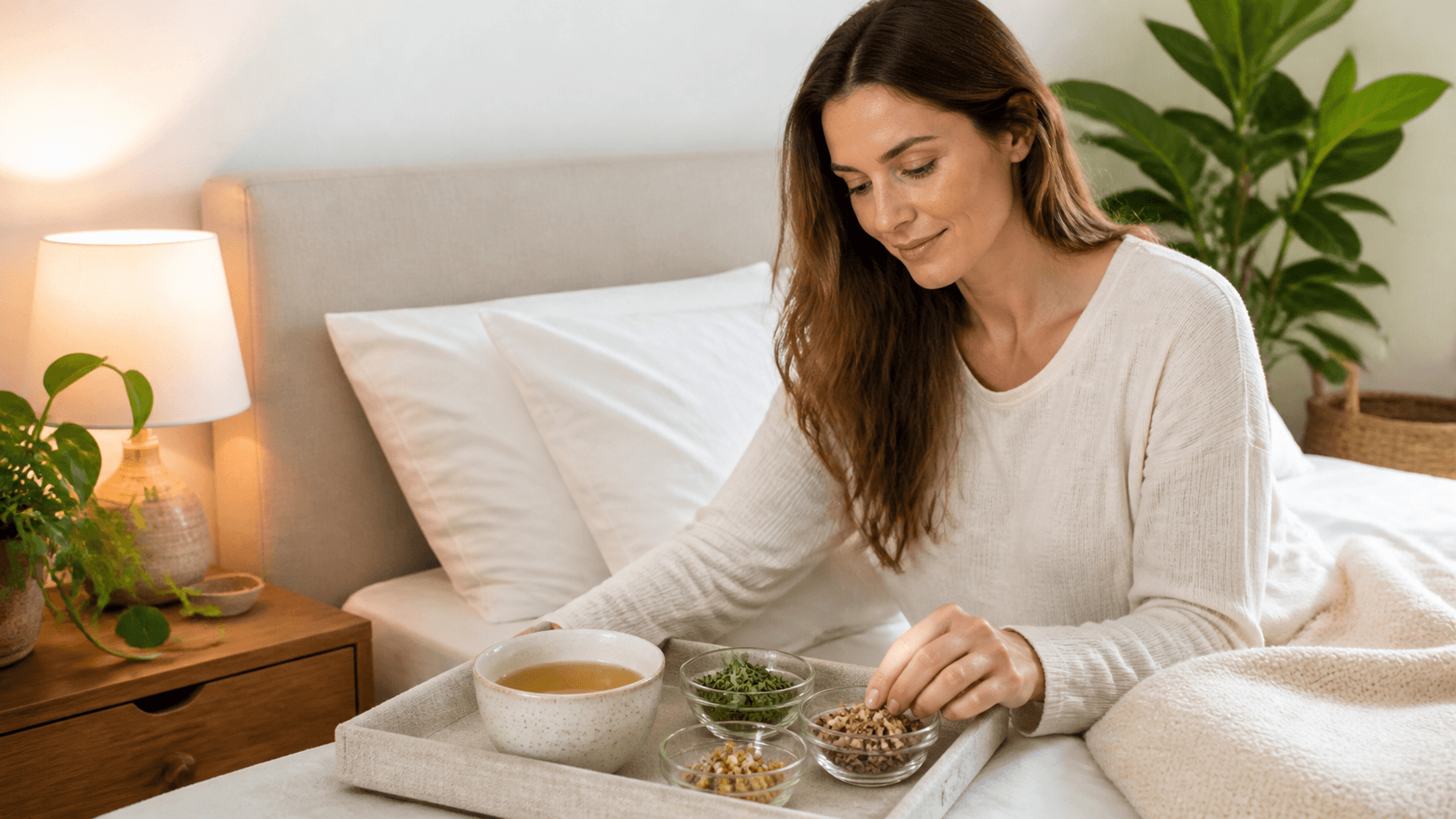
Sleep Rituals That Soothe You Without Surprises
An evening tea for sleep should feel comforting, not confusing. If you have ever sipped a "detox" or "slimming" tea at night and then spent half the night in the bathroom, you know how frustrating that can be. You wanted rest, but got cramps, urgency, and zero deep sleep.
We want to talk about a different kind of night cup. One that lets your body do its natural overnight cleanup, supports your liver and lymph, and still keeps your bowels calm and quiet. As days get shorter and early fall routines pick up, stress rises, screens stay bright, and our immune systems can use extra care. This is the perfect time to refine your nighttime tea ritual so it actually helps you sleep.
At Island Wellness Tea, we focus on organic, functional loose-leaf blends that respect both your sleep and your digestion. We care about teas that feel good in real life, not just on a label.
Why So Many Detox Teas Disrupt Your Sleep
Many "detox" teas are built to push things out fast. That is very different from a gentle evening tea for sleep. A detox-focused blend is often designed to stimulate bowel movements or increase urine output. A true calming night blend aims to nourish your body so it can repair itself while you rest.
Common laxative and diuretic herbs to watch for include:
- Senna
- Cascara sagrada
- Aloe latex
- Buckthorn
- Dandelion leaf
- Horsetail
- Hibiscus
- Strong green or black tea bases
These plants can have strong effects. For many people, they may cause:
- Cramping or twisting belly discomfort
- Urgent bathroom trips in the middle of the night
- Extra fluid loss that can leave you feeling dry or headachy
- Broken sleep cycles, so you wake up tired
That kind of "action" is the last thing most of us want on a cool fall night when the body is asking for deeper, steadier rest. Your liver and lymphatic system already work overnight on their own. They do not need harsh purging every day to do their jobs. In fact, constantly forcing elimination can feel like pushing your body instead of supporting it.
How the Liver and Lymph Really Clean House at Night
Think of your liver as your body's overnight filter. While you sleep, it helps:
- Filter the blood coming from your digestive system
- Process hormones and break down some byproducts
- Handle substances that your body does not need anymore
- Support digestion for the next day
The lymphatic system is more like a quiet drainage network. It moves fluid, waste from cells, and immune cells around the body. Deep rest and gentle hydration help this system flow. You do not feel it working, but it is always part of your inner cleanup crew.
For nightly "detox," what helps most is calm and consistency: steady blood sugar, a relaxed nervous system, and sleep that is not interrupted every couple of hours. That is why an evening tea for sleep should focus on:
- Calming the mind and easing tension
- Supporting comfortable digestion, not forcing it
- Offering mild support to circulation and natural fluid balance
When we choose ingredients with this in mind, tea becomes a soft helper, not a drill sergeant.
Calming Herbs That Support Nightly Detox Without Drama
Good news, there are many herbs that are gentle, non-laxative, and non-stimulating, yet still support liver, lymph, and overall wellness at night.
We love calming, nourishing plants like:
- Milky oats and nettle, rich in minerals, for steady, grounded support
- Red clover and calendula, often used for mild lymph support
- Lemon balm, chamomile, and passionflower, which are known for helping the nervous system settle and improving sleep quality
For digestion, we focus on allies that comfort rather than push:
- Fennel, which can ease gas and bloating without acting like a stimulant
- Ginger in modest amounts, warming and soothing to the stomach
- Spearmint, cooling and gentle, great for after-dinner heaviness
- Rooibos, a caffeine-free base with a naturally sweet, smooth taste and antioxidants
These plants can help your body ease into rest. A well-crafted evening tea for sleep supports nightly detox by:
- Lowering stress levels so your body feels safe to repair
- Reducing middle-of-the-night wake-ups caused by discomfort
- Helping circulation and fluid movement in a mild, non-forcing way
No bathroom drama required.
Spotting Sneaky Laxatives in "Sleep" and "Slimming" Tea Labels
Herb labels can look confusing, especially when Latin names are used. It helps to know where trouble likes to hide. When you read an ingredient list, look all the way to the end, not just at the big words on the front.
Red flag laxative names include:
- Senna or Senna alexandrina
- Cascara or Rhamnus purshiana
- Aloe latex or Aloe ferox
- Buckthorn or Rhamnus frangula
Strong diuretics can also sneak in, as can highly caffeinated bases like certain green and black teas. Phrases such as "flat tummy," "slimming," "cleanse," or "colon support" often signal stimulant laxatives or strong diuretics, even if the blend is sold as a "night" tea.
Simple rules of thumb for an evening tea for sleep:
- Avoid senna and cascara in any night blend
- Skip caffeinated ingredients after mid-afternoon if you are sensitive
- Be wary of anything that promises "overnight weight loss" or "wake up pounds lighter"
At Island Wellness Tea, we design functional formulas with clear labels and no surprise laxatives or diuretics, because respect for your sleep and digestion always comes first.
Building a Cozy, Sleep-First Tea Ritual This Fall
A soothing evening tea works best when it becomes a little ritual your body recognizes. As the weather cools and evenings get darker earlier, many of us in coastal climates reach for warm, steady routines that help us shift from day mode to night mode.
You might try a simple rhythm like:
- Dim lights and lower screen brightness at least an hour before bed
- Brew your tea and let it cool to a comfortable sipping temperature
- Add a few minutes of stretching, gentle yoga, or a warm bath
- Sip slowly 60 to 90 minutes before you want to sleep
In early fall, warming spices like a touch of cinnamon or ginger in non-stimulating amounts can feel especially cozy. Pairing your tea with a small grounding snack, such as a handful of nuts or a slice of apple with nut butter, may help keep blood sugar from dipping too low overnight.
Listen closely to your body. You can:
- Shorten or lengthen steep time if you are very sensitive
- Adjust how strong you brew your tea
- Shift your sipping time earlier if you dislike getting up to pee at night
Notice how you feel the next morning. Signs that your evening tea for sleep is working well include feeling more rested, no grogginess, and no urgent trips to the bathroom. Our calming, non-stimulating blends at Island Wellness Tea are crafted with these goals in mind, so your night cup can support your liver, lymph, digestion, and sense of peace, all while you drift into steady, gentle sleep.
Unwind Tonight With a Calming Sleep Ritual
Transform your evenings into a soothing wind-down routine with our carefully crafted blends at Island Wellness Tea. Explore our targeted evening tea for sleep to help you relax, release tension, and prepare your mind and body for rest. If you have questions about which blend is right for you or how to build a bedtime tea ritual, feel free to contact us. Let us help you create a nightly ritual that supports deeper, more restorative sleep.