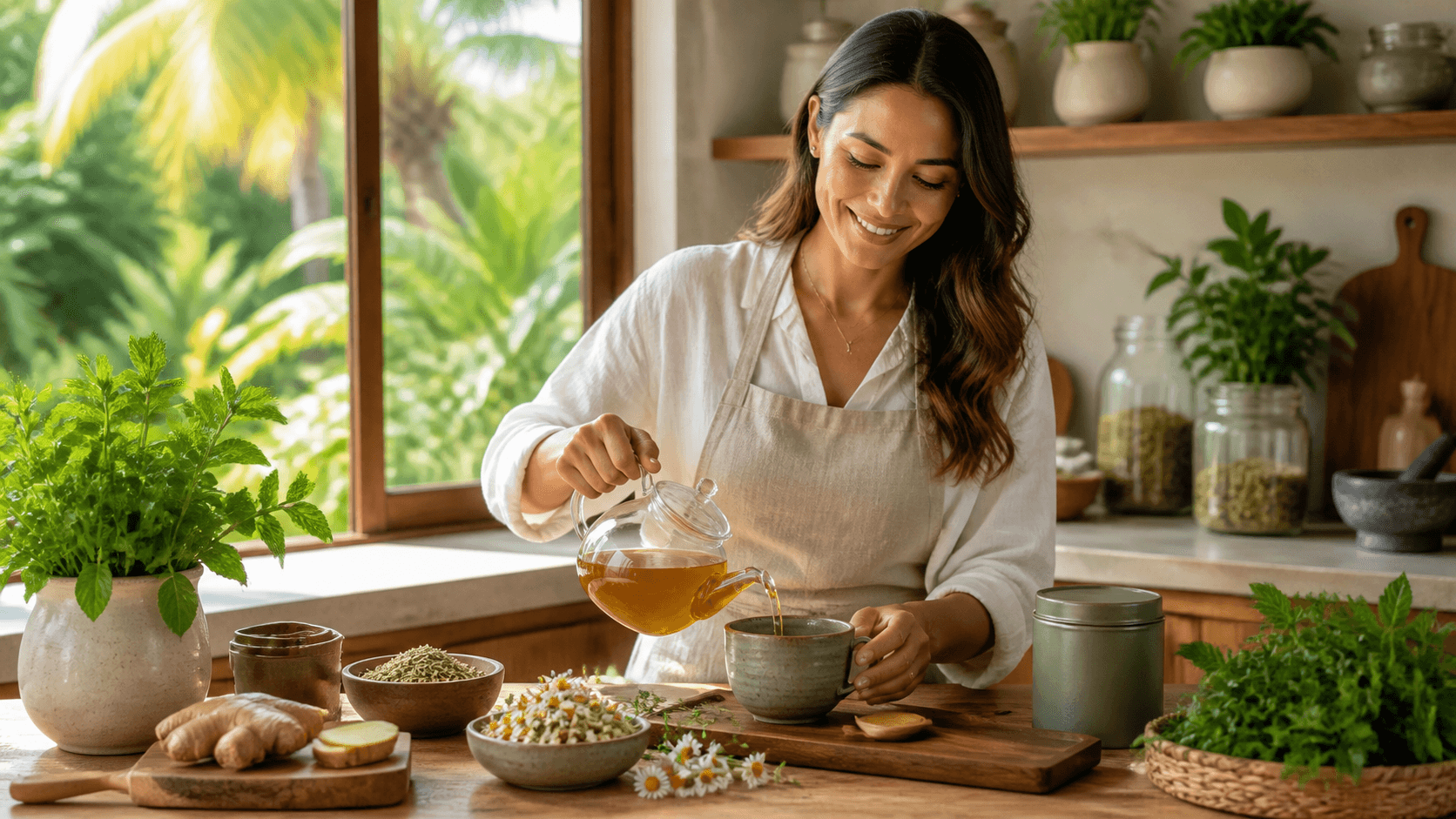
Herbal tea can be a gentle way to help with appetite and cravings, especially when we want to feel lighter and more energized in summer. Warmer weather often means swimsuits, travel, cookouts, and lots of tempting food. Many people notice their hunger and cravings feel louder, even when they are trying to take good care of their bodies. That is where smart sipping can help.
In this guide, we will talk about how organic herbal weight loss tea can support awareness of hunger without harsh detox claims. We will look at helpful herbs, ingredients to avoid, and simple daily rituals that feel kind, not extreme. At Island Wellness Tea, we care about wellness that fits into real life, not quick fixes.
Sip Smarter: Herbal Support for Hunger and Cravings
When summer hits, we tend to move more, eat out more, and snack more. Hot days and long evenings can throw off normal eating patterns. It is easy to confuse cravings, emotions, and true hunger.
Our focus is gentle support, not "drop pounds overnight" promises. Herbal tea can help you:
- Tune in to real hunger versus habit snacking
- Slow down, so you taste your food and notice fullness
- Stay hydrated, which often calms random cravings
At Island Wellness Tea, our blends are meant to work alongside the basics: enough water, movement you enjoy, balanced meals, and good sleep. Tea is a supportive ritual, not a replacement for healthy habits.
How Herbal Tea Supports Appetite Without Detox Hype
A warm mug or a tall glass of iced herbal tea naturally slows you down. When we sip instead of gulp, we give our bodies time to send fullness signals. Many people notice that a cup of tea:
- Takes the edge off "I want to eat everything" feelings
- Breaks the pattern of mindless snacking
- Makes it easier to pause and ask, "Am I really hungry?"
Herbs can also gently support digestion, blood sugar balance, and stress response. That is very different from harsh "detox" or "skinny" teas that rely on strong laxatives or heavy diuretics. Those blends can pull water from your body, upset your stomach, and give the illusion of progress without real support.
Realistic expectations matter. An organic herbal weight loss tea can be a helpful daily habit, like going for a walk or turning off screens before bed. It should not be sold as magic. If a tea promises dramatic results in a day or two, that is a big warning sign.
Herbs That Gently Support Appetite and Cravings
Some herbs are known for helping the body feel more balanced and comfortable. That alone can quiet cravings.
Soothing and grounding herbs include:
- Peppermint can ease gas and bloating that feel like hunger
- Fennel, often used after meals to support digestion
- Ginger, supports a settled stomach and warmth in the belly
- Chamomile, calming for both digestion and mood
When your stomach feels calm and less puffy, it is easier to tell if you actually need food or just feel uncomfortable.
For blood sugar and cravings, people often use:
- Cinnamon, commonly used with balanced meals and snacks
- Gymnema, sometimes called a "sugar helper" herb
- Hibiscus, a tart, refreshing flower that pairs well with other herbs
- Licorice root, naturally sweet, but best in moderation, especially if you need to watch blood pressure
These herbs do not replace care from a health professional, but they can be part of a steady routine aimed at fewer wild swings in cravings.
Emotional eating is another big piece. Stress, boredom, and worry often show up as "I need a snack right now." Gentle, calming herbs can help, especially when we pair them with lifestyle changes:
- Ashwagandha, an adaptogen often used for stress support
- Tulsi, also called holy basil, linked with calm focus
- Lemon balm, light, lemony, and soothing in the evening
These herbs may help your body move out of constant "fight or flight," so food is not your only comfort tool.
Ingredients to Limit or Avoid in Herbal Weight Loss Teas
Not every tea that claims to support weight loss or appetite is kind to your system. Some ingredients deserve extra caution.
Strong stimulant herbs to watch for include:
- Senna
- Cascara sagrada
- Aggressive "slim" or "detox" blends that list these first
Used too often, these can lead to cramping, loose stools, and even dependency, where your body struggles to have a normal bathroom rhythm without them.
Teas that pack in extra caffeine and diuretics can also be tricky. Heavy amounts of:
- Guarana
- Bitter orange
- Added caffeine powders
may mostly cause water loss, jitters, a racing heart, or trouble sleeping. That is not the kind of "light" feeling most of us truly want.
Hidden additives are another issue. It helps to limit teas with:
- Artificial flavors or colors
- Artificial sweeteners
- Vague "proprietary blend" labels without clear details
Simple, clear labels with recognizable herbs and organic sourcing are usually a better match for long-term wellness.
How to Choose a Safe, Organic Herbal Weight Loss Tea
When you are reading a tea label for appetite and craving support, here are helpful things to look for:
- Organic certification
- A clear ingredient list that you can actually pronounce
- No strong laxatives as the main ingredients
- Serving suggestions that sound reasonable, not extreme
It also helps to match the blend to your real goal. Do you want calmer digestion, more balanced energy, or better evening habits? Blends that focus on digestion comfort, steady energy, and metabolism support tend to be a gentler choice than teas that brag about dropping a clothing size in a weekend.
If you are pregnant, nursing, managing a health condition, or taking medications, it is always wise to talk with a health professional before starting any new herbal tea routine.
Easy Summer Rituals to Make Herbal Tea Work for You
Herbal tea does not have to be hot. In warm places like our island home, many people enjoy cooling tea ideas such as:
- Iced herbal infusions you brew and chill
- Cold-brewed blends that steep slowly in the fridge
- Light "tea spritzers" with herbs and fruit to replace sugary drinks
Timing can also make a difference. Try:
- A cup before meals to slow down and notice how hungry you are
- A small cup after meals to mark a clear "done eating" moment
- A calming blend in the evening to lessen late-night nibbling
Pairing tea with small habits helps too. A short walk while sipping, a few deep breaths, or a quick journal note about how you feel can turn tea time into a full-body reset, not just a drink.
Start a Gentle Tea Routine That Honors Your Body
You do not need an extreme cleanse to care for your appetite and cravings. Two thoughtful tea moments a day can be enough to reset patterns, as long as you stay consistent and kind with yourself.
At Island Wellness Tea, we create organic, functional loose-leaf blends meant to support energy, digestion, and overall wellness as part of a real, human life. When you choose blends that match your needs and pair them with simple daily habits, herbal tea becomes a quiet, steady partner in caring for your body, not a quick fix that lets you down.
Feel Lighter and More Energized with Every Cup
Experience how a simple daily ritual can support your goals with Island Wellness Tea. Our carefully crafted organic herbal weight loss tea is designed to fit effortlessly into your routine while you focus on long-term wellness. If you have questions about ingredients, how to get started, or which products are right for you, contact us and we will be happy to help you choose your next favorite blend.